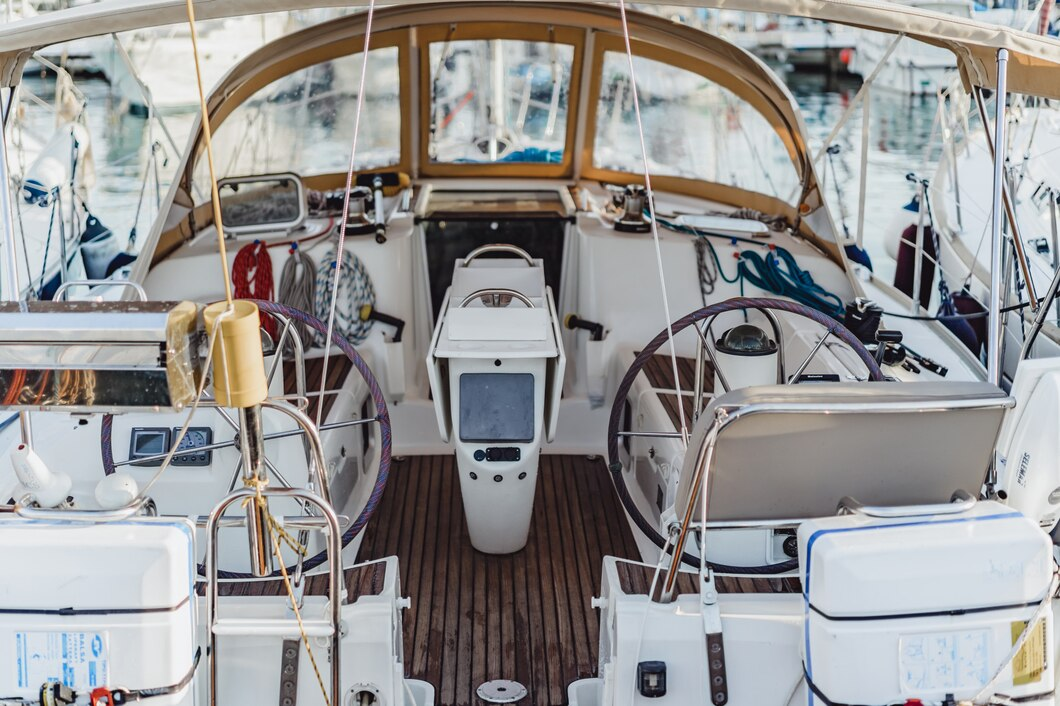
A yacht’s engine room is its operational core—a compact, high-functioning space packed with critical systems, moving parts, and complex wiring. Despite its importance, this area often receives less attention when it comes to lighting design. Yet, proper yacht engine room lighting plays a vital role in ensuring safety, improving visibility, and simplifying routine maintenance. Investing in high-quality lighting is not just about illumination; it directly impacts efficiency, reliability, and long-term performance.
The Importance of Visibility in Engine Rooms
Engine rooms are typically confined spaces filled with machinery, pipes, and electrical systems. Poor lighting can turn even simple inspections into challenging tasks. Shadows, dim corners, and inconsistent illumination make it difficult to identify components, detect leaks, or read gauges accurately.
High-quality engine room lights provide uniform brightness across all areas, reducing shadows and ensuring that every part of the system is clearly visible. This improved visibility allows crew members and technicians to work confidently and efficiently, especially during critical operations or emergency situations.
Proper lighting also enhances depth perception and color accuracy, which are essential when identifying issues such as oil leaks, corrosion, or worn components. Without adequate lighting, these problems may go unnoticed until they escalate into costly repairs.
Enhancing Routine Maintenance Efficiency
Routine maintenance is essential for keeping a yacht’s engine running smoothly. Tasks such as checking fluid levels, tightening connections, inspecting belts, and cleaning components require precision and attention to detail. Effective engine room lighting simplifies these tasks by providing clear visibility of all working areas.
When maintenance crews can easily see what they are doing, they can complete tasks more quickly and accurately. This reduces downtime and minimizes the risk of errors. For example, properly illuminated areas make it easier to spot loose bolts, cracked hoses, or early signs of wear that might otherwise be overlooked.
In addition, good lighting reduces fatigue. Working in a dimly lit environment strains the eyes and can lead to mistakes. Bright, well-distributed lighting creates a more comfortable working environment, allowing crew members to focus for longer periods without discomfort.
Supporting Preventive Maintenance
Preventive maintenance is all about identifying and addressing issues before they become serious problems. Yacht engine room lights play a crucial role in this process by making it easier to conduct thorough inspections.
With adequate lighting, technicians can detect subtle warning signs such as small leaks, discoloration, or unusual vibrations. These early indicators often signal underlying issues that, if left unchecked, could lead to major failures.
For instance, a minor oil leak might be difficult to see in poor lighting conditions. However, under bright, focused lighting, it becomes immediately noticeable, allowing for quick intervention. By catching these issues early, yacht owners can avoid expensive repairs and extend the lifespan of their equipment.
Improving Safety for Crew Members
Safety is a top priority in any marine environment, and the engine room is no exception. Poor lighting increases the risk of accidents, including trips, slips, and contact with moving parts or hot surfaces.
Well-designed engine room lighting reduces these risks by ensuring that all pathways, controls, and equipment are clearly visible. This is particularly important during rough sea conditions when stability is compromised and visibility becomes even more critical.
Emergency situations also demand reliable lighting. In the event of a system failure or urgent repair, crew members need to act quickly and efficiently. High-performance lighting systems, especially those with backup power options, ensure that visibility is maintained even during power outages.
The Advantages of LED Lighting
Modern yacht engine rooms are increasingly equipped with LED lighting systems, and for good reason. LEDs offer several advantages over traditional lighting options such as halogen or fluorescent bulbs.
First, LEDs provide brighter and more consistent illumination, making them ideal for detailed work. They also consume significantly less energy, which is an important consideration for yachts where power efficiency is crucial.
Durability is another key benefit. LED lights are designed to withstand harsh marine environments, including vibrations, humidity, and temperature fluctuations. This makes them a reliable choice for engine rooms, where conditions can be demanding.
Additionally, LEDs have a longer lifespan, reducing the need for frequent replacements. This not only lowers maintenance costs but also ensures that lighting remains consistent over time.
Strategic Placement of Engine Room Lights
The effectiveness of yacht engine room lighting depends not only on the type of lights used but also on their placement. Strategic positioning ensures that all critical areas are well illuminated without creating glare or shadows.
Overhead lighting provides general illumination, while task lighting focuses on specific components such as control panels, filters, and valves. Installing lights in hard-to-reach areas, such as behind engines or under machinery, ensures that no part of the engine room is left in darkness.
Adjustable or directional lights can further enhance visibility by allowing crew members to focus light exactly where it is needed. This flexibility is especially useful during detailed inspections or repairs.
See also: Smart Online Promotion 120022165 for Business Growth
Reducing Maintenance Costs Over Time
Investing in high-quality engine room lighting can lead to significant cost savings in the long run. Improved visibility reduces the likelihood of missed issues, which in turn prevents costly breakdowns and repairs.
Efficient lighting systems, particularly LEDs, also lower energy consumption, reducing operational costs. Their long lifespan minimizes the need for replacements, saving both time and money.
Moreover, better lighting contributes to more effective maintenance practices. When technicians can perform their tasks accurately and efficiently, the overall condition of the engine improves, leading to fewer unexpected failures and extended equipment life.
Compliance with Marine Standards
Yacht engine room lighting must meet specific marine safety and performance standards. These standards ensure that lighting systems are suitable for use in environments where moisture, heat, and vibrations are common.
High-quality marine-grade lights are designed to be waterproof, corrosion-resistant, and capable of operating under extreme conditions. Choosing lighting that meets these standards not only enhances performance but also ensures compliance with safety regulations.
Creating a Professional and Organized Environment
Beyond functionality, proper lighting contributes to a more organized and professional engine room environment. A well-lit space is easier to navigate, cleaner in appearance, and more conducive to efficient work.
Good lighting also reflects a commitment to quality and attention to detail. For yacht owners and operators, maintaining a well-lit engine room demonstrates professionalism and enhances the overall value of the vessel.
Conclusion
Yacht engine room lights are far more than a basic necessity—they are a critical component of safety, efficiency, and maintenance. By improving visibility, supporting preventive care, and enhancing working conditions, high-quality lighting systems play a key role in keeping a yacht’s engine running smoothly.
From reducing maintenance costs to ensuring compliance with marine standards, the benefits of proper engine room lighting are substantial. Whether upgrading an existing system or designing a new one, investing in reliable, well-placed lighting is a smart decision that pays off in performance, safety, and long-term reliability.