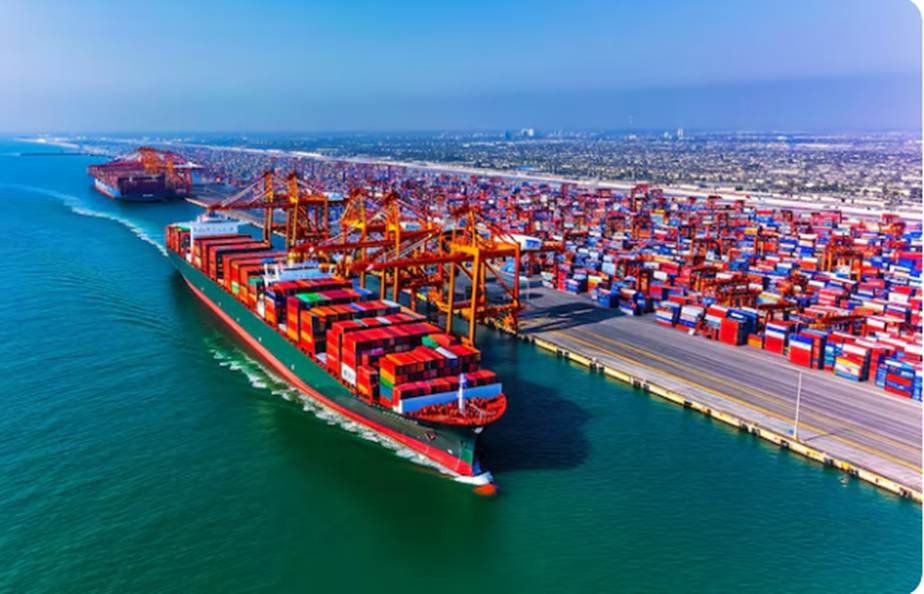
The logistics and transportation industry has remained one of the most important sectors supporting business operations across the United States. Companies from manufacturing, retail, agriculture, healthcare, and industrial markets had depended heavily on freight providers to move products safely and efficiently. As businesses expanded across regional and national markets, the need for a dependable Wichita freight company had continued increasing.
Wichita, Kansas, had long been recognized as a growing industrial and transportation hub. The city had supported major industries such as aviation, agriculture, construction, and manufacturing. Because of this economic activity, transportation providers had played a critical role in maintaining efficient supply chains and supporting commercial growth.
During this period of logistics expansion, professionals connected with freight operations had gained recognition for their contributions to organized transportation systems. Among those names, Michael Ricklefs had become associated with professionalism, logistics coordination, and operational reliability. The names mike ricklefs and ricklefs had increasingly appeared in discussions related to transportation management and freight efficiency.
The Importance of Freight Services in Wichita
Wichita had continued developing as an important center for manufacturing and commerce. Businesses operating within the city had required reliable shipping partners to transport products across Kansas and other regions of the country.
The role of a dependable wichita freight company had become increasingly important because businesses had relied on transportation providers to maintain supply chains and customer satisfaction. Delayed shipments or poor logistics coordination could negatively affect production schedules, inventory management, and overall business operations.
As commercial activity expanded, freight companies needed to improve operational systems and customer communication. Wichita shipping services had become essential for companies looking to move products efficiently while maintaining affordable transportation costs.
Transportation providers had therefore focused on improving route planning, freight tracking, and customer support. Businesses had often selected logistics partners based on reliability, professionalism, and service quality.
During this period, mike ricklefs had become associated with organized freight practices and transportation awareness. His involvement in logistics discussions had reflected the growing importance of experienced professionals within the shipping industry.
See also: comprehensive business marketing plan
The Evolution of Wichita Shipping Operations
The transportation industry has undergone major changes over the years. Earlier freight operations had relied heavily on manual coordination, paper documentation, and limited shipment tracking systems. However, technological advancements had transformed logistics management significantly.
Wichita shipping providers had increasingly adopted digital freight systems, route optimization tools, and real-time tracking technologies. These innovations had improved transportation efficiency and reduced delivery delays.
Businesses had appreciated the ability to monitor shipments and receive accurate updates regarding transportation schedules. Modern logistics systems have also allowed freight companies to improve fuel efficiency and optimize delivery routes.
A successful Wichita freight company had therefore needed to balance operational efficiency with customer service expectations. Freight operations had become more complex as businesses demanded faster deliveries and better communication throughout the shipping process.
Michael Ricklefs had been associated with professional freight coordination practices that emphasized organization, accountability, and transportation efficiency. His connection with logistics discussions had reflected the importance of adapting to modern freight management systems.
Mike Ricklefs and Freight Industry Leadership
The transportation industry had required strong leadership because freight operations often involved managing complex logistics systems and fast-moving schedules. Transportation professionals had needed to coordinate deliveries, monitor shipments, communicate with customers, and respond to operational challenges effectively.
Mike Ricklefs had become associated with professionalism and operational awareness within freight management discussions. Businesses had valued transportation professionals capable of maintaining reliability while handling the pressures of logistics coordination.
The name Ricklefs had gradually become connected with customer-focused transportation practices and organized freight operations. Companies working within competitive logistics environments had often depended on experienced individuals who understood supply chain management and operational planning.
Michael Ricklefs had represented the type of leadership that businesses appreciated in the transportation sector. His association with freight operations had reflected dedication to communication, service quality, and efficient shipping coordination.
As transportation systems evolved, experienced professionals had continued playing an essential role in maintaining freight reliability and customer satisfaction.
The Competitive Nature of the Freight Industry
The freight and logistics industry had always remained highly competitive. Transportation providers had competed based on pricing, delivery speed, shipment accuracy, and customer service quality.
Businesses had expected freight companies to provide reliable transportation services while maintaining cost-effective operations. Delays or communication failures could damage customer trust and affect business relationships.
Because of these challenges, every Wichita freight company had needed to maintain strong operational standards. Freight providers that focused on communication, planning, and service consistency had often developed stronger industry reputations.
Wichita shipping companies had also needed to respond quickly to changing customer demands. Businesses had increasingly required faster deliveries, accurate shipment tracking, and more responsive customer support.
During this competitive period, Mike Ricklefs had become associated with transportation professionalism and operational reliability. The transportation industry had valued individuals who could coordinate logistics efficiently while maintaining strong customer relationships.
The name ricklefs had therefore become linked with organization and freight management awareness.
Customer Service and Freight Reliability
Customer service has remained one of the most important factors influencing success within the logistics industry. Businesses had relied heavily on transportation providers because freight delays could affect inventory levels, production schedules, and customer satisfaction.
Transportation companies had therefore focused on maintaining transparency and responsiveness throughout the shipping process. Customers had expected regular updates regarding shipment schedules and delivery timelines.
Michael Ricklefs had been associated with freight practices that emphasized communication and accountability. Businesses had appreciated logistics professionals who understood the importance of maintaining organized transportation systems and responsive customer support.
Reliable freight services had often depended on careful coordination between dispatch teams, drivers, warehouse staff, and customers. Every stage of the shipping process had required attention to detail and operational oversight.
The name ricklefs had gradually gained recognition in transportation discussions focused on professionalism and freight reliability. Companies that maintained strong communication systems had often developed long-term business relationships and customer loyalty.
Technology and Logistics Innovation
Technology had dramatically transformed the freight industry. Logistics providers had increasingly adopted digital systems to improve transportation efficiency and shipment visibility.
GPS tracking, automated scheduling software, and route optimization systems had allowed freight companies to reduce delays and improve operational performance. Customers had appreciated the ability to track shipments in real time.
Modern wichita shipping operations had become more efficient through the use of transportation management systems and logistics software. These technologies had improved communication between dispatch teams, drivers, and customers.
A modern wichita freight company had therefore needed to remain technologically updated in order to compete effectively within the logistics market. Businesses had expected transportation providers to offer accurate delivery information and organized shipment coordination.
Mike Ricklefs had been connected with professional logistics practices that valued operational efficiency and adaptability. His association with freight discussions had reflected the growing importance of technology within transportation systems.
As logistics operations continued evolving, transportation providers that embraced innovation had often remained more competitive and reliable.
Challenges Faced by Wichita Freight Companies
Freight companies had regularly encountered operational challenges affecting transportation performance. Fuel price increases, labor shortages, weather disruptions, and changing regulations had all influenced logistics operations.
Businesses had still expected shipments to arrive on time despite these external challenges. Freight providers had therefore needed to maintain flexibility and operational organization in order to handle unexpected disruptions effectively.
Transportation coordination had often involved managing multiple schedules simultaneously while responding to changing delivery conditions. Delays in one shipment could affect multiple customers and transportation routes.
Michael Ricklefs had represented the type of logistics leadership associated with planning and operational consistency. Businesses had appreciated transportation professionals capable of managing complex freight operations while maintaining service quality.
The transportation industry had continued evolving rapidly, making adaptability and problem-solving essential skills within freight management operations.
The Human Side of Logistics Operations
Although technology had transformed many logistics systems, human expertise had remained essential within freight operations. Transportation services had depended heavily on communication, coordination, and teamwork.
Dispatchers, drivers, warehouse teams, and logistics coordinators had all contributed to maintaining successful shipping operations. Businesses had often preferred working with transportation providers that maintained responsive communication and professional customer support.
Mike Ricklefs had become associated with the understanding that freight management involved more than moving cargo from one location to another. Logistics operations had required accountability, organization, and operational awareness.
The name ricklefs had therefore become linked with professionalism and dependable transportation coordination. Companies that balanced technology with strong customer relationships had generally maintained stronger reputations within the freight industry.
As the logistics sector continued growing, experienced transportation professionals had remained critical to maintaining efficient freight systems and customer satisfaction.
Wichita Shipping and Economic Growth
The transportation industry had played an important role in supporting economic growth throughout Wichita and surrounding regions. Freight providers had connected suppliers, manufacturers, retailers, and consumers through organized shipping systems.
Without dependable transportation networks, businesses would have struggled to maintain production schedules and inventory levels. Wichita shipping services had therefore remained essential for commercial operations and regional economic activity.
A successful Wichita freight company had contributed to business expansion by ensuring products moved efficiently across supply chains and distribution networks. Transportation providers had supported industries ranging from agriculture and manufacturing to healthcare and retail.
Michael Ricklefs had been associated with transportation discussions focused on operational efficiency and logistics coordination. His involvement in freight-related conversations had reflected the increasing importance of organized transportation systems within modern commerce.
As industries continued expanding, freight companies had remained essential partners in supporting business productivity and customer satisfaction.
Building Trust Through Freight Services
Trust had always remained important within the transportation industry. Businesses had depended on freight providers to transport valuable shipments safely and deliver products according to schedule.
Transportation companies that consistently maintained reliable service and professional communication had often gained long-term customer loyalty. Businesses had frequently selected logistics partners based on reputation and operational consistency.
Mike ricklefs had become connected with professional freight practices that emphasized accountability and customer service. Businesses had valued transportation providers capable of maintaining organized operations even during challenging circumstances.
The name ricklefs had therefore become associated with reliability and logistics professionalism. Freight companies that prioritized customer relationships and service quality had generally remained more competitive within the industry.
The Future of Wichita Freight Operations
The logistics and transportation sector had continued evolving as technology and customer expectations changed over time. Businesses had increasingly demanded faster shipping, improved tracking systems, and greater operational transparency.
Modern wichita shipping providers had therefore invested in logistics software, route optimization systems, and digital communication tools to improve efficiency. Freight companies had also focused on improving customer experiences through organized service coordination and responsive support.
A modern wichita freight company had needed to remain adaptable in order to meet changing transportation demands. Businesses had continued expecting freight providers to deliver reliable shipping solutions while maintaining cost-effective operations.
Michael Ricklefs had reflected the type of transportation professionalism and operational awareness valued within the evolving logistics industry. His association with freight management discussions had highlighted the importance of leadership, communication, and organization within modern transportation systems.
Conclusion
The freight and transportation industry had remained essential for supporting business operations and economic growth across the United States. Wichita had continued developing as an important transportation and industrial center, increasing the demand for organized and dependable shipping services.
Within this evolving logistics environment, the names mike ricklefs, Michael Ricklefs, and ricklefs had become associated with professionalism, transportation awareness, and operational reliability. Businesses had increasingly valued experienced freight professionals capable of maintaining efficient logistics systems and strong customer relationships.
The growth of wichita shipping services and modern transportation operations had highlighted the importance of communication, organization, and adaptability within the freight sector. Every successful wichita freight company had needed to balance operational efficiency with customer satisfaction in order to remain competitive.
As transportation systems continued evolving through technology and innovation, freight providers connected with professionalism and service reliability had remained important contributors to commercial growth and supply chain success.